

 by
by 
House Construction in Nepal: A Comprehensive Guide
Building a house for your own living in Nepal is a journey of passion and involvement. Process of house construction in Nepal often encounters numerous challenges such as regulatory oversight, malpractices, and unforeseen costs. Hence, understanding the house construction process is pivotal for achieving your dream home.
Following are the steps of house construction in Nepal from acquisition of land to obtaining the Completion certificate of house construction (Ghar Sampanna Pramanpatra) from the relevant authorities.
Steps of House construction in Nepal
1. Land Acquisition
The steps to build house in Nepal begin with land acquisition. This process can be intricate due to dual ownership: Talsing (landowner by purchase) and Mohi (landowner by cultivation). Disputes often arise during land acquisition due to the unclearness of land borders between the neighbours, and real estate agents may also provide incomplete information and later on there may be problems regarding road access and right-of-way issues.
Key Points to Consider:
- Verify ownership details meticulously.
- Ensure clarity on road access and right-of-way to avoid future conflicts.
- Measure and mark your land area with the help of Surveyor (Amin) of municipality or Surveyor Office.
2. Design Planning Phase
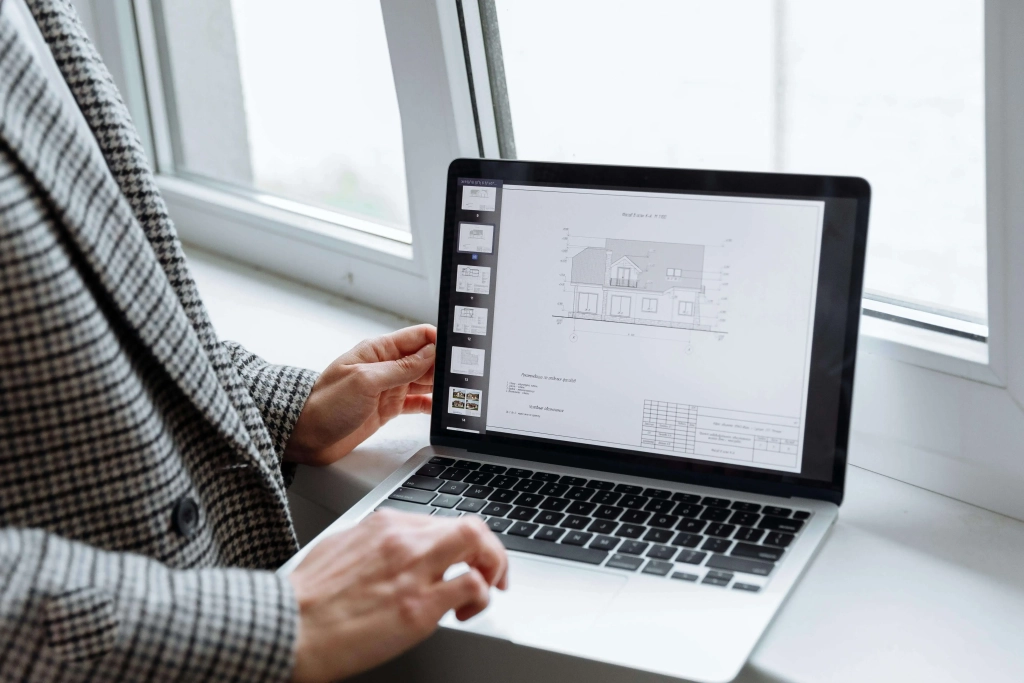
After acquisition of land, the design planning phase starts. Collaborate closely with your architect or Civil Engineer to draft a preliminary blueprint. This involves site visits, land area measurements, and several revisions until the design meets your satisfaction. After the preliminary blueprint, then the detailed design of your house begins. Structural analysis is to be done if the house is bigger than 2.5 Storey or area is greater than 1000 Square feet (Sq ft) or house design is complex.
Structural and building design phase is followed by the interior design phase. Complete estimated cost for the house construction in Nepal can be known after the interior design is completed.
Steps in Design Planning to build house in Nepal:
- Preliminary Blueprint Approval
- Structural Analysis
- Detailed Design
- Interior Design (if desired)
Understanding the costs at this stage helps in budget planning and prevents financial surprises later.
3. Obtaining Building Permits
Before construction, obtaining building permits is important to build house in Nepal. This involves three-step processes:
- Temporary Building Approval: This is the construction permits up to the plinth level.
- Full Building Permit: After complete construction of plinth level, full building permit should be applied and obtained.
- Completion Certificate (Ghar Sampanna Certificate): Engineers from municipalities inspect the fully constructed house and give approval for Completion Certificate (Ghar Sampanna Certificate)
This certificate is essential for bank loans, and utility services like electricity and water.
4. Site Preparation
After obtaining first approval of building permits from the municipality, hire a contractor and make necessary contract documents. Then the contractor will start site preparation. This includes clearing and marking the layout. Accurate site preparation sets the foundation for a smooth construction process.
5. Laying the Foundation
Foundation work follows site preparation. Depending on your budget and accuracy needs, you can choose manual or machine digging.
Methods:
- Manual Digging: Higher accuracy.
- Machine Digging: More cost-effective but operator skill matters.
Then, the foundation of the house is casted and constructed as per design.
6. Construction of frames (for RCC) or Walls (for Load Bearing)
After the foundation is casted, the next step is constructing walls (for load-bearing structures) or frames (for RCC structures). Ensure that the wall is constructed after frames are ready in Reinforced Concrete Structure (RCC) for future modifications (if needed) and structural integrity.
7. Casting the Slab/Roofing
The slab or roofing is the shield against weather elements. Roofing may be sloped or flat slab. Options for sloped roofs include asphalt shingles, clay tiles, slates, and metal sheets.
8. Plumbing and Electrical Lining
Once the slab is cast, proceed with constructing walls (for RCC structures) followed by plumbing and electrical lines. Testing of any faults in plumbing and electrical lines should be done before plastering and other finishing works so that correction can be done easily.
9. Finishing Touches
The final stage involves finishing works:
- Plastering
- Plumbing
- Flooring
- Waterproofing
- Tiling
- Landscaping
Ensuring these tasks are done systematically will ensure a flawless finish. After these activities, your home is ready for living.
This comprehensive guide will help you navigate the process of house construction in Nepal. By understanding each step and ensuring meticulous planning, you can avoid common pitfalls and build a home that stands the test of time.
Also Read:


Join The Discussion