

 by
by 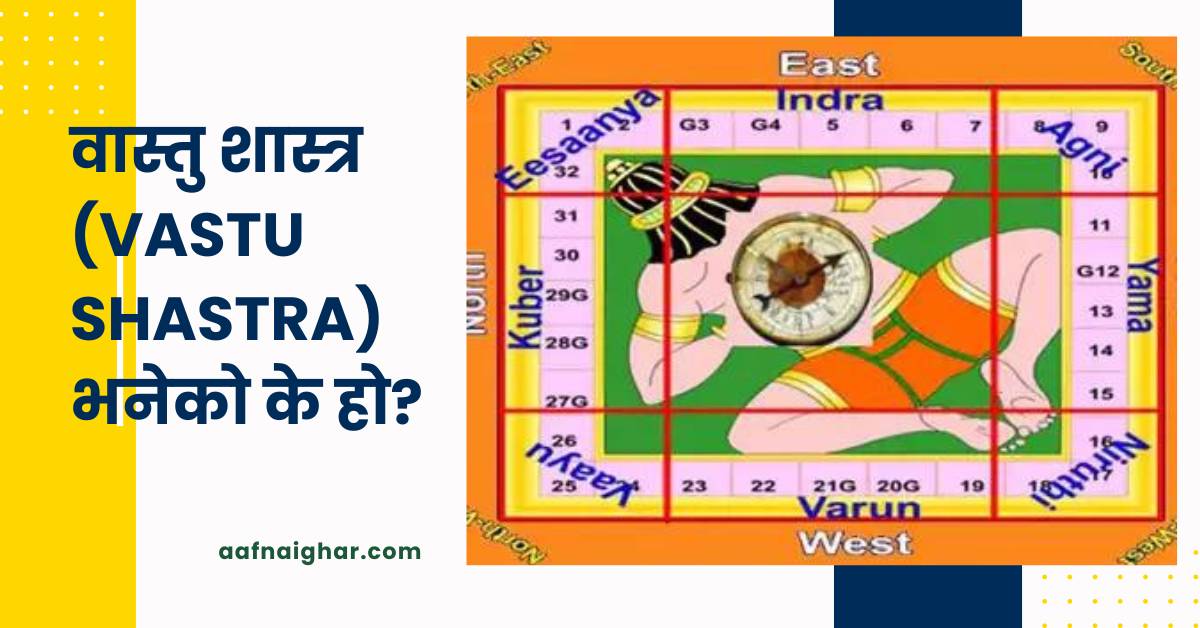
Sometimes we hear “It feels good while entering this house, it gives good vibes staying in this room, it’s a well-built house”. If you listen to this, then the house or rooms are built considering the Vastu. So, What is Vastu Shastra? What is its science and specialty? We will discuss it in this article.
What is Vastu Shastra?
Before understanding the importance of Vastu Shastra, it is important to understand its meaning. Vastu in Vastu Shastra means ‘Home’ and Shastra means ‘Science’. Vastu in common understanding is the science of house. Vastu Shastra is thousands of years old, it depends on architectural science through our ancient scriptures. Our universe is full of energy and Vastu Shastra is about the energy balance of our universe.
Origin of Vastu Shastra:
The origin of Vastu shastra is in Vedic period. A part of the Atharvaveda -Sthapatya veda includes the knowledge of architecture which describes the relationship between man and his dwelling. Vastu Shastra teaches the art of living, designing, maintaining harmony with nature and channelling positive energy. Sthapatya Veda is the theory while Vastu Shastra is the application of this knowledge, the “science of architecture.”
Importance of Vastu Shastra in house design and construction:
- Energy Balance: The goal of Vastu Shastra is to create a blissful and peaceful environment by balancing these five elements (earth, water, fire, air and space). It is also said that when these elements are balanced, positive energy flows more freely, increasing prosperity and peace.
- Healthy Living: Vastu Shastra determines the location and direction of rooms for healthy living. For example, good physical and mental health depends on where and in which direction the toilet, kitchen and bedroom should be located.
- Increase productivity: According to Vastu Shastra, well-designed spaces increase efficiency and productivity. This is especially considered in workplace and office design.
- Financial Prosperity: To promote financial prosperity and avoid wealth-related problems, Vastu Shastra suggests important aspects, such as the entrance, cash box, and place to keep accounts.
- Environmental Sustainability: Some of the ideas of Vastu are similar to contemporary notions of environmental sustainability. For example, it suggests using eco-friendly materials, adequate ventilation, and natural lighting.
Five Elements of Vastu Shastra:
Vastu-shastra is based on five essential elements: Earth, Fire, Light, Wind, and Ether, known as the Panchabhutas. The entire universe, including the earth and the human body, is believed to be made up of these five elements, which influence cosmic power and all energy.
According to Vastu Mandal, the universe is full of fruitful energy and if all these elements are aligned in the right direction, one can lead a balanced and peaceful life.
Directions according to Vastu Shastra:
| Direction | Effects | Suitable Rooms |
| North | Wealth & Prosperity | Living room, Office & Entrance |
| North-East | Spirituality | Worship room, Underground Water tank, Well |
| East | Progress & Growth | Entrance, guest room, veranda, bathroom |
| South-East | Energy, Passion & Power | Kitchen, generator, and power supply |
| South | Poverty | Kitchen Garden |
| South-West | Purity | Toilet & Bathrooms |
| West | Water | Overhead tank & Study rooms |
| North-West | Air | Bedrooms |
Types of Vastu Shastra:
The ancient science of architecture and design has various parts and types that focus on the design of living spaces and various other aspects. Among these, the famous types of Vastu Shastra are:
- Sthapatya Veda: This is the primary branch of Vastu Shastra which deals with building construction and general architecture.
- Vastu Purusha Mandala: This involves the use of a special geometric grid known as the Vastu Purusha Mandala, which is believed to represent the cosmic energy map that influences the layout and architecture of buildings.
- Pranava Vastu: Pranava Vastu focuses on increasing good energy in an area through the use of mantras and sound vibrations.
- Aayaadi Vastu: This Vastu Shastra looks at the measurements and proportions of the building to ensure that it follows Vastu principles.
- Bhoomi Puja: This is done to provide a good atmosphere and seek the blessings of the earth before the construction starts.
- Color Vastu: Focuses on using color in different areas of the building to create harmony and balance energy.
- Griha Vastu: It focuses specifically on residential architecture and design.
- Shilpa Shastra: It covers the sculptural and artistic features of Vastu, such as the arrangement and composition of sculptures and other decorative elements.
- Yantra Vastu: This involves increasing positive energy by using specific geometrical patterns or Yantras.
- Chakra Vastu: It applies the concepts of chakras and energy centers to organize and energize living spaces.
- Commercial Vastu: It emphasizes the application of Vastu principles in offices, commercial buildings, and other commercial establishments.
Conclusion
Vastu Shastra is an ancient practice used in the architecture of building structures. This practice has some rules to follow when designing a home that will create spaces where you feel happy and joyful. Vastu Shastra connects the energies of the earth and the universe so that all natural elements (the five elements i.e. earth, water, fire, air and space) will create positivity.
Also Read this:
Scroll to bottom & Submit your email and subscribe to our newsletter to read similar informative articles.
Get In Touch With Us
Fill out this form for other similar informations. We will also help you to buy or sell property in Nepal.


Join The Discussion