

 by
by 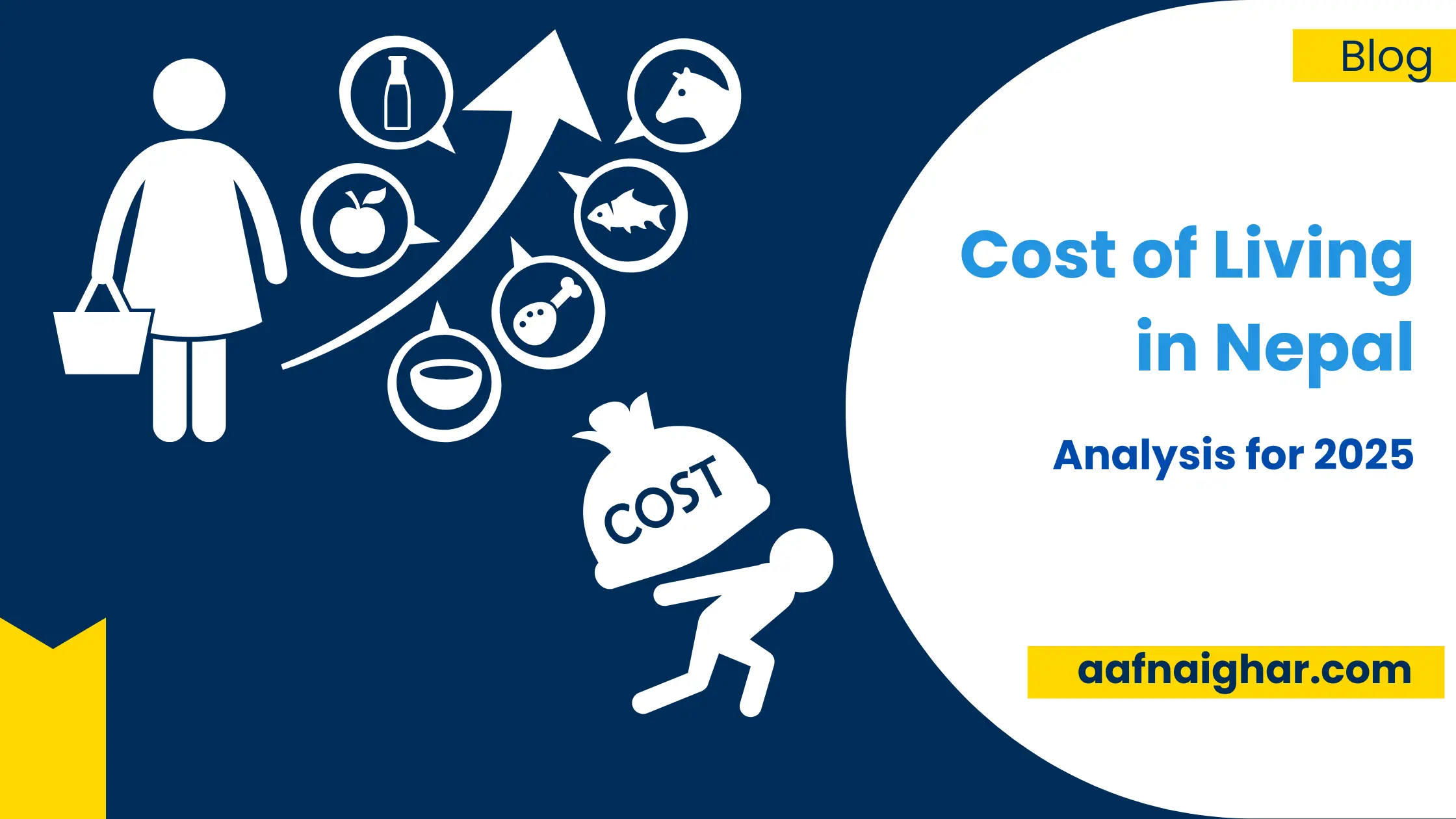
Nepal is known for its high peaks and beautiful mountains, rich culture and warm hospitality. Nepal is also recognized as one of the most affordable countries in the world. Whether you are local inhabitants, expatriates or digital nomads considering moving to Nepal, knowledge about cost of living in Nepal is necessary for planning your lifestyles and finances. In this article, we will provide a detailed breakdown of living expenses in this country, using the latest data from 2025.
How Affordable is Nepal?
Nepal ranks among the least expensive countries globally, with the average cost of living at approx. $367 per month (including rent) for a single person which is nearly three times less than the global average. For a family of four members, the cost of living in Nepal is about $964 per month. (source: Living Cost). With this affordability, Nepal can be said as an attractive destination for long-term stays, retirement and investment.
- Average monthly salary after tax of Nepal: $239
- GDP per capita of Nepal: $1378
- Life expectancy: 70.5 years
- English speaking population: 3%
Housing and Accommodation
Though the real estate prices in main cities of Nepal like Kathmandu, Pokhara etc are expensive, average overall housing costs are considerably low. Smaller towns and rural areas offer greater affordability. To get insights about real estate price of different cities of Nepal, click these cities: काठमाण्डौ, पोखरा, धनगढि, भरतपुर, हेटौडा, कावासोती, भक्तपुर, ललितपुर, दमौली
Average Monthly Rent Price:
- 1-bedroom apartment (city center): $122
- 1-bedroom apartment (outside center): $69.8
- 3-bedroom apartment (city center): $264
- 3-bedroom apartment (outside center): $153
Real estate purchase
- Apartment in city center (per sq. meter): $1678
- House in suburbs (per sq meter): $797
- Mortgage interest rate (20 years): 12.15%
Food and Groceries
Local markets and street vendors offer fresh produce and vegetables at reasonable prices. However, imported and branded goods may be priced higher.
Monthly Food Cost:
- Single person: $175
- Family of four: $452
Sample Grocery Prices:
- Milk (1 liter): $0.80
- Bread (0.5 kg): $0.47
- Rice (1 kg): $0.77
- Eggs (dozen): $1.45
- Chicken breast (1 kg): $3.01
- Apples (1 kg): $2.14
- Potatoes (1 kg): $0.43
- Tomatoes (1 kg): $0.62
Dining Out:
- Lunch menu: $1.46
- Dinner for two (restaurant): $17.2
- Fast food meal: $6.65
- Beer (0.5L in pub): $2.35
- Cappuccino: $1.56
Transportation
Public transportation is widely available and mostly affordable. Most of the cities have local buses, micros, and taxis for city-inside transport. Many towns have three-wheeler facilities to book and get to the desired place.
Typical Costs:
- Local transport ticket: $0.21
- Taxi ride (8 km): $13.4
- Gasoline (1 liter): $1.25
Monthly Transportation Budget:
- Single person: $43
- Family of four: $122
Utilities and Internet
Utilities bills are one of the minor expenses in Nepal. The Nepal government is providing subsidies in some sectors like electricity.
- Utilities bill (Single person): $20.2/month
- Utilities bill (Family): $30.9/month
- Internet (50 Mbps+): $8.94/month
Get In Touch With Us
Fill out this form for other similar informations. We will also help you to buy or sell property in Nepal.
Healthcare and Personal Expenses
Healthcare is generally affordable with both private and government hospital options. Nepal health insurance board is covering health insurance in $25 yearly for a family of four members upto $730.
- Doctor’s visit: $15
- Cold medicine (1 week): $19.7
- Haircut: $2.44
- Gym membership (monthly): $19.7
- Cinema ticket: $2.86
Education and Childcare
For families, the cost of education and childcare also need to be considered.
- Daycare or preschool (monthly): $71.3
- International primary school (annual): $2930
Clothing and Personal Items
- Brand jeans: $23.2
- Brand sneakers: $44.4
- Toothpaste (1 tube): $0.72
- Toilet paper (4 rolls): $0.93
Rural Vs Urban Living
Especially in case of housing and food, main cities like Kathmandu and Pokhara are more expensive while rural Nepal offers even lower costs. According to the latest Consumer Price Index Data, housing and utilities expenses account for about 14.86% of rural household expenses, and that has remained stable throughout 2025.
Economic Context and Quality of Life in Nepal
Comparatively Nepal’s cost of living remains low. The average salary after tax ($239/month) covers about 70% of basic expenses for a single person. So, many households rely on multiple income sources or remittances. The GDP per capita is projected to reach $1809 by 2027.(Source: CEIC)
Key Indicators:
- GDP per capita (2023): $1399
- Forecast GDP per capita (2027): $1809
- Life expectancy: 70.5 years
- Unemployment rate: 4.44% (2020)
Sample Monthly Budget for a Single Person
Category | Monthly Cost (USD) |
Rent (1BR, city center) | $122 |
Utilities & Internet | $29 |
Food | $175 |
Transportation | $43 |
Miscellaneous | $50 |
जम्मा | $419 |
Conclusion:
Above data concludes that Nepal stands as one of the most affordable countries in the world, offering a simple and also comfortable life for both locals and foreigners alike. Though salaries are low, the low cost of housing, food and services make daily life accessible for most. If you are planning for retirement, adventure or settlement in Nepal, the cost structure allows for fulfilling life without high expenses.

छलफलमा सामेल हुनुहोस्